
The year was 2015—late summer/early fall, probably. Your author was at The Cooper Hewitt Design Museum in New York City[1]. The exhibit was one of those catch-all “items from the collection”-like things—no specific theme, but we’re going to put out a bunch interesting random stuff and, like Lou Pappan, you’re gonna like it.
From across a big gallery room, the voice of a fellow museum-goer was unmistakeable. I didn’t know the guy, but I sure as hell knew his accent. He was super hopped-up over a particular piece that I hadn’t made my way around to yet.
The chair, first introduced as part of the 1939 World’s Fair[2], was formed by a single curled piece of thick glass. With its clean, simple lines and modern industrial materials—somewhere between Bauhaus and The Jetsons—it was as perfect an example of midcentury future-gazing as you’re likely to find. The piece was manufactured by Pittsburgh Plate Glass Company in, as this man was proud to announce, “The card says Pittsburgh, but that was made in Ford City!”
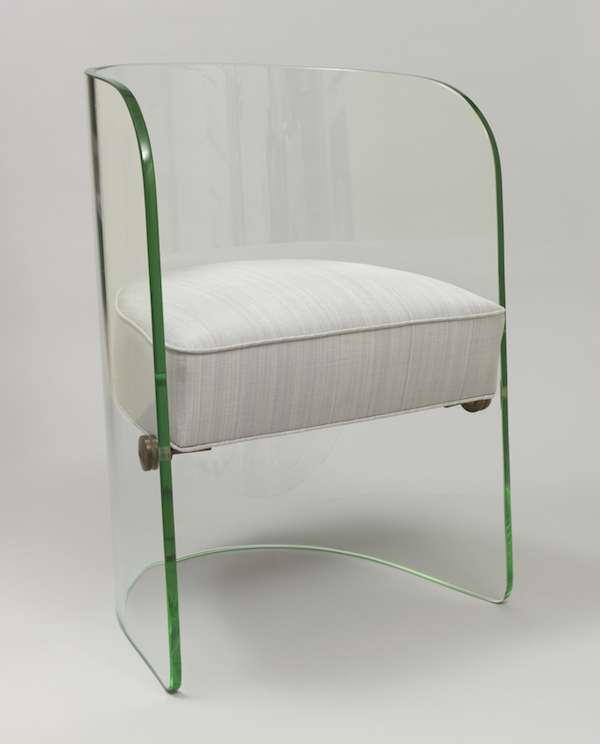
The chair went on the list—and that list was already pretty long. Pittsburgh Orbit was in its first year, and we were still figuring out what we were doing. The buffet of things to write about seemed like an inexhaustible supply of unexplored (for me, at least) places, histories, oddball quirks, and un-pointed-out artifacts: Toynbee Tiles, city steps, fish fries, repurposed synagogues, dead malls, and weird pizza were all things that got covered early on. Around every corner, a new phenomenon; in any far-flung outpost, a connection to Pittsburgh.
At that point, I’d been around the metro Pittsburgh block—perhaps more than most—but still never set foot in many city neighborhoods. Towns up and down the river waited unexplored. I was out to change all that—go everywhere within arm’s reach, see everything I could, make this digital publication as deep an exploration of off-the-radar Pittsburgh as it could be.

With the creation of Pittsburgh Orbit, that casual poking took on a more targeted, express purpose—look at the map, take the afternoon and go somewhere you’ve never been. Chase a story where it looks promising. Go to all those places you’ve heard about, but never actually been to. Always try the local pizza shop.
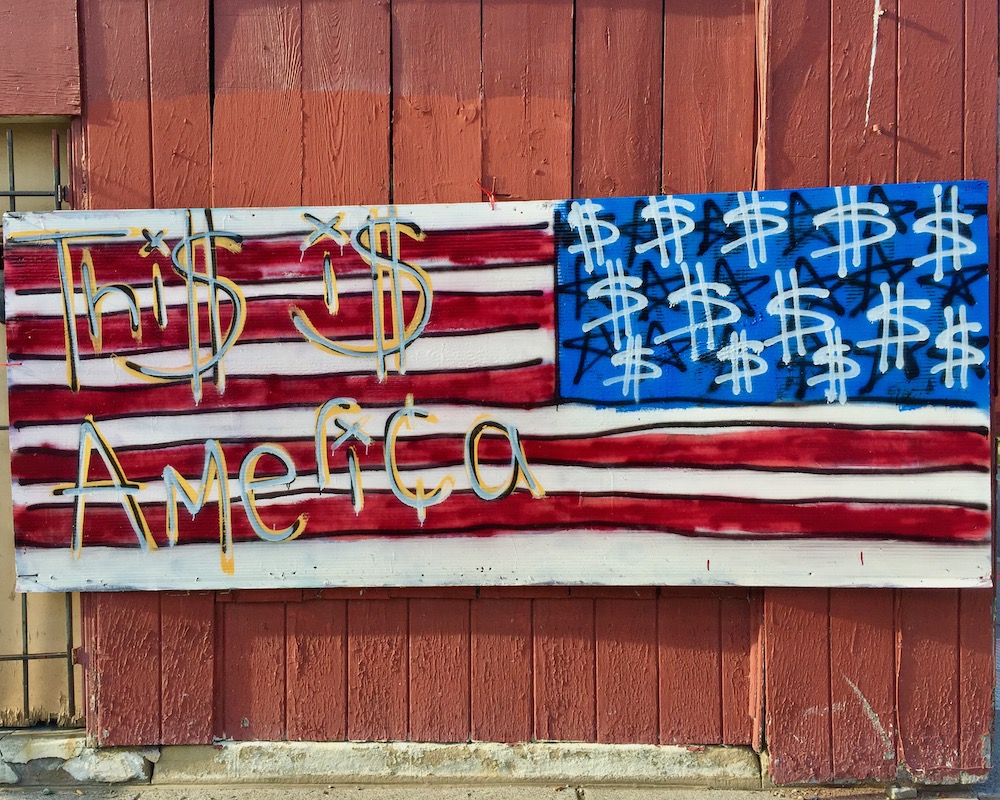
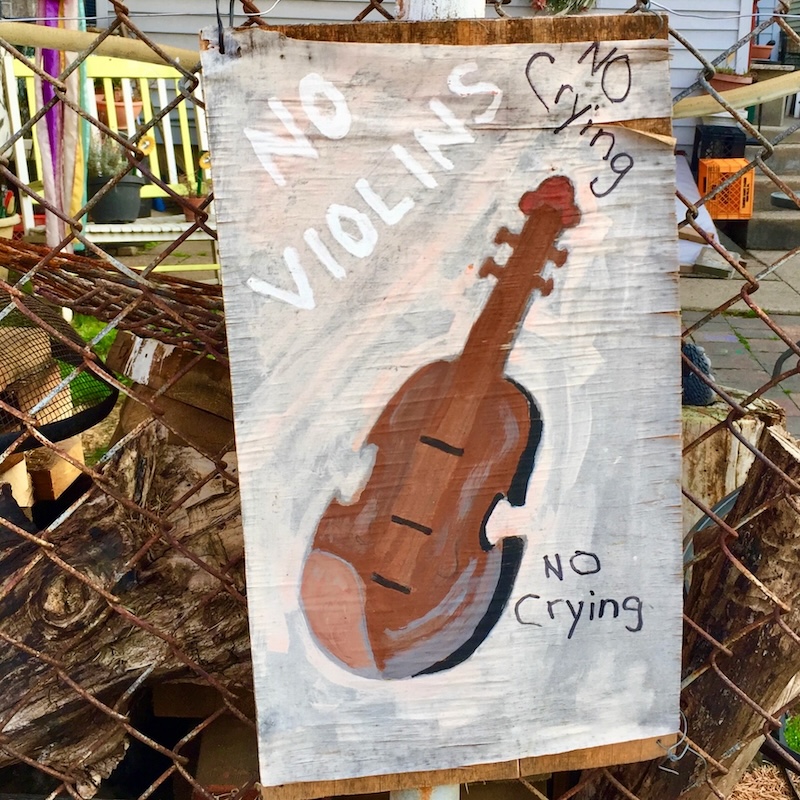
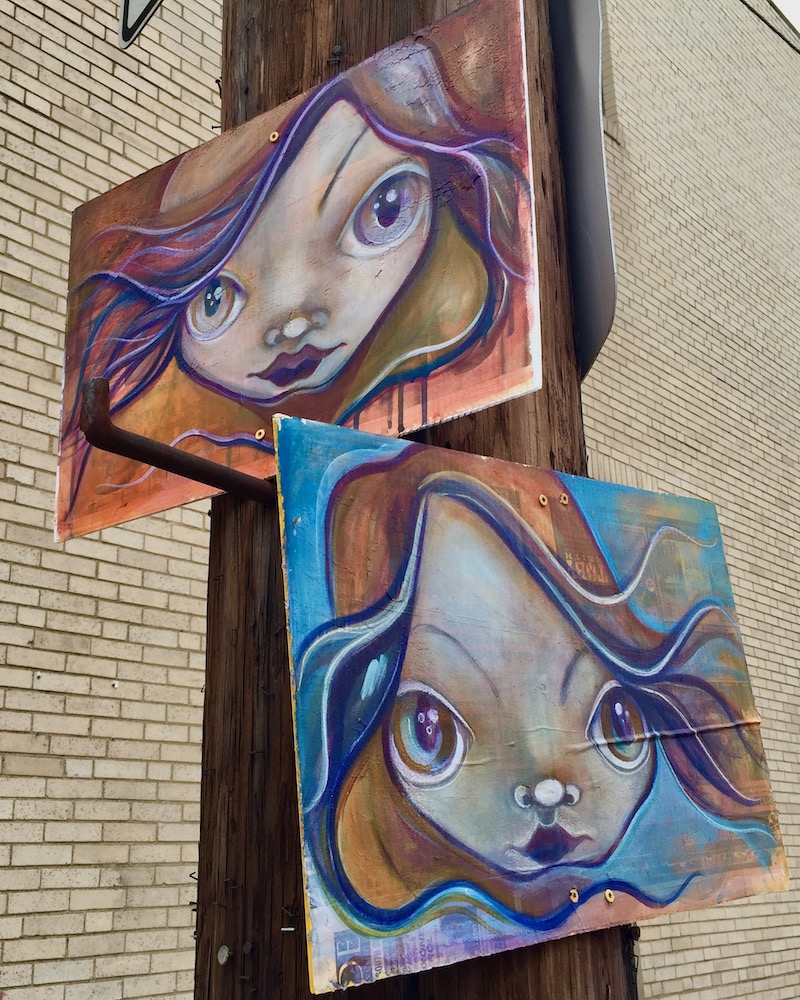
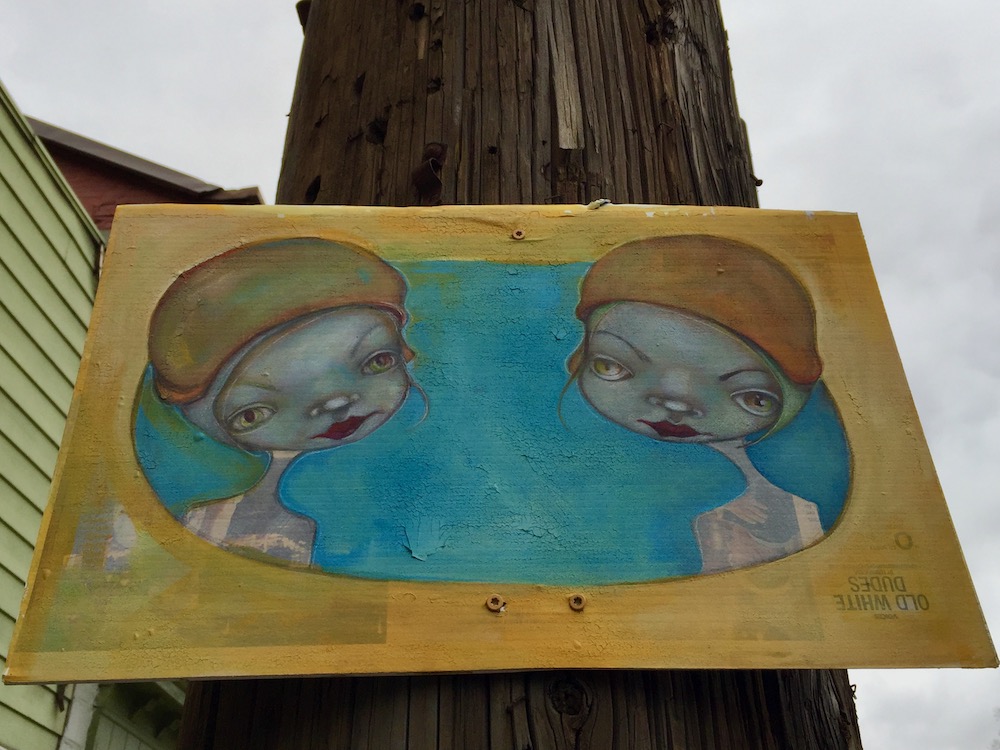
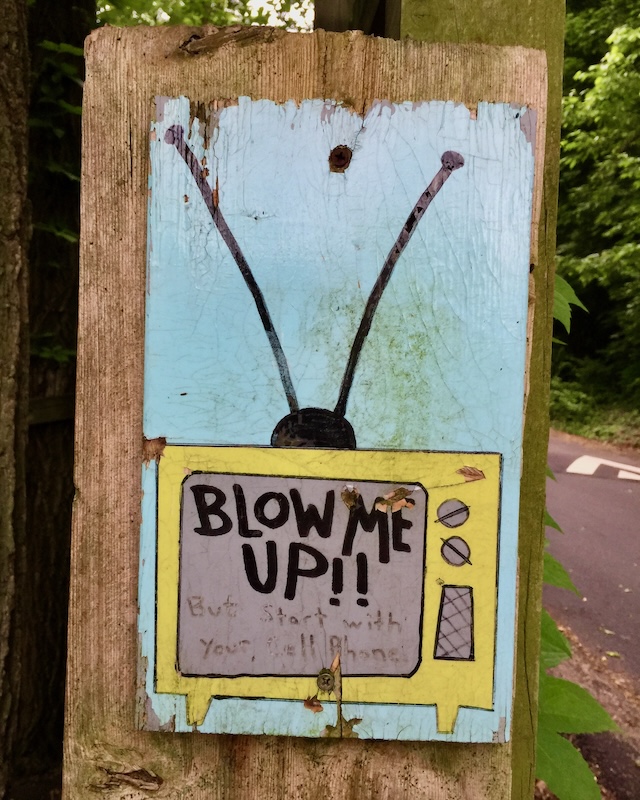
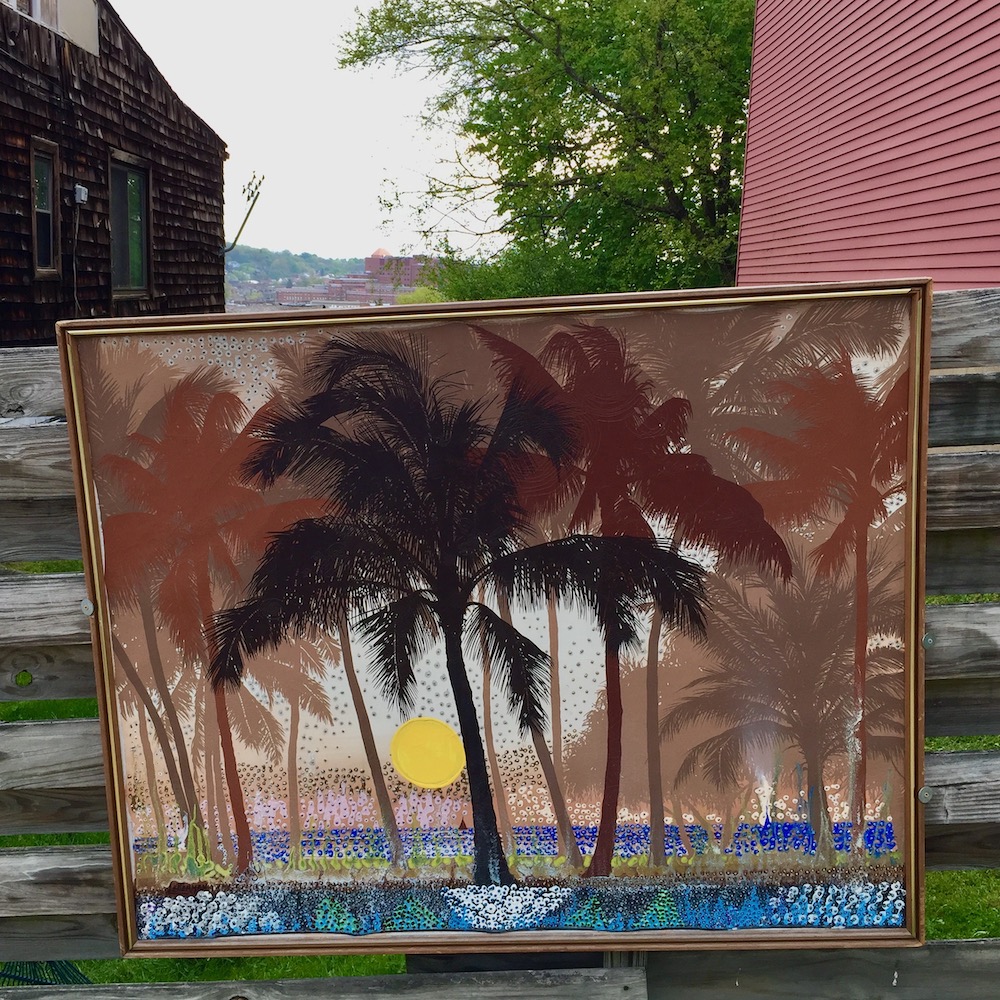
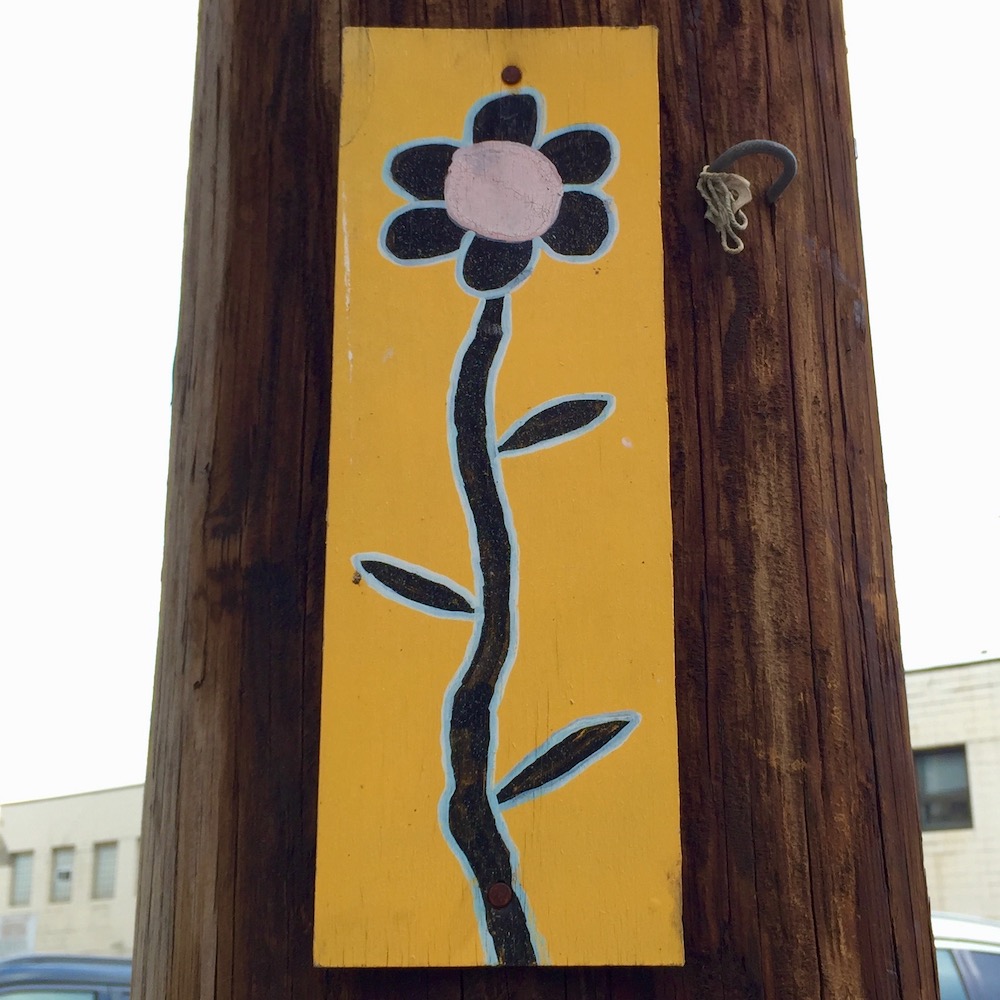
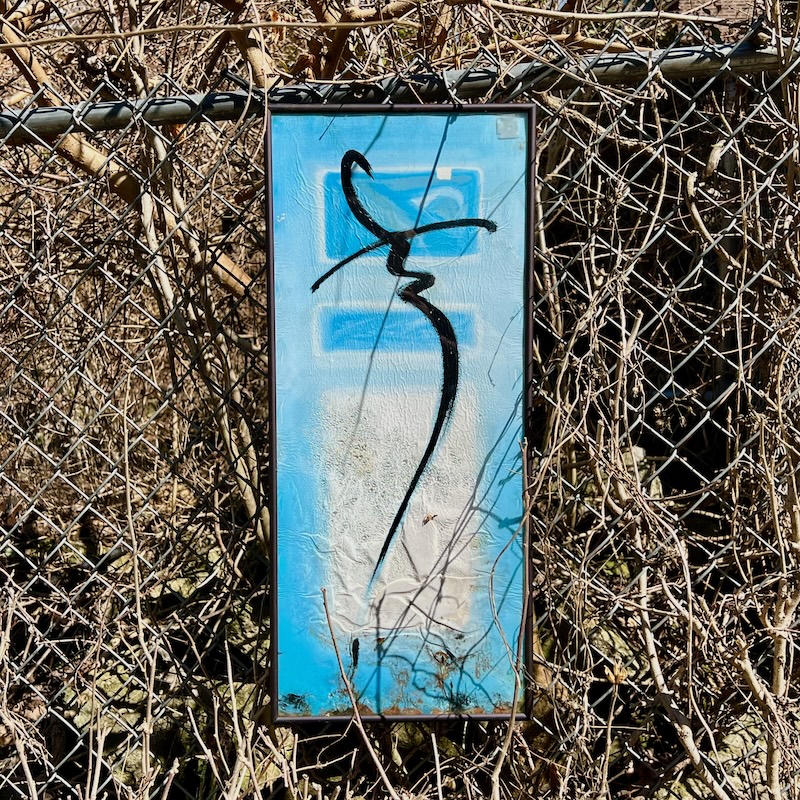
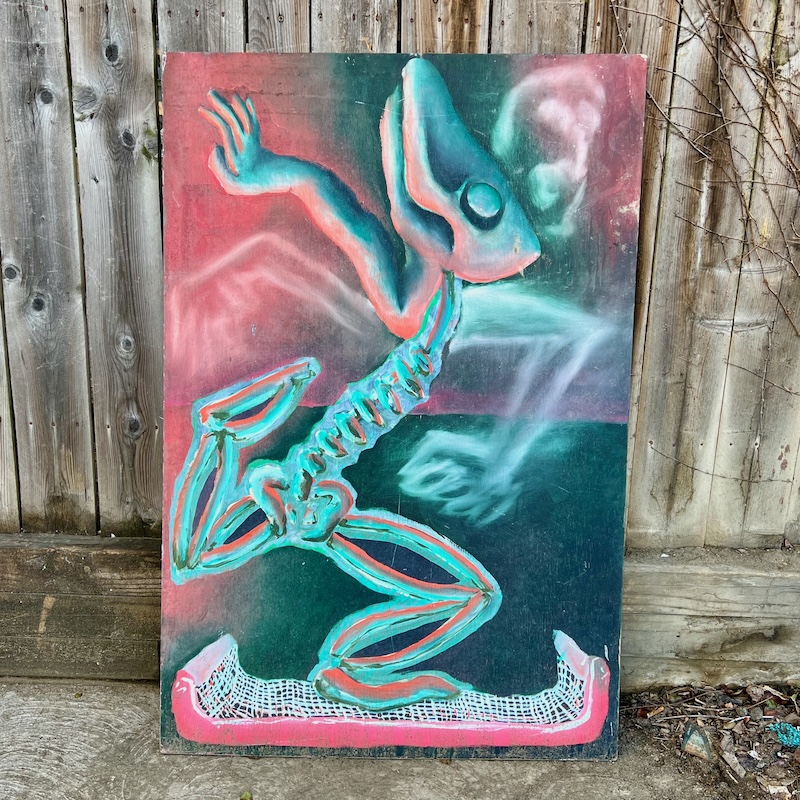
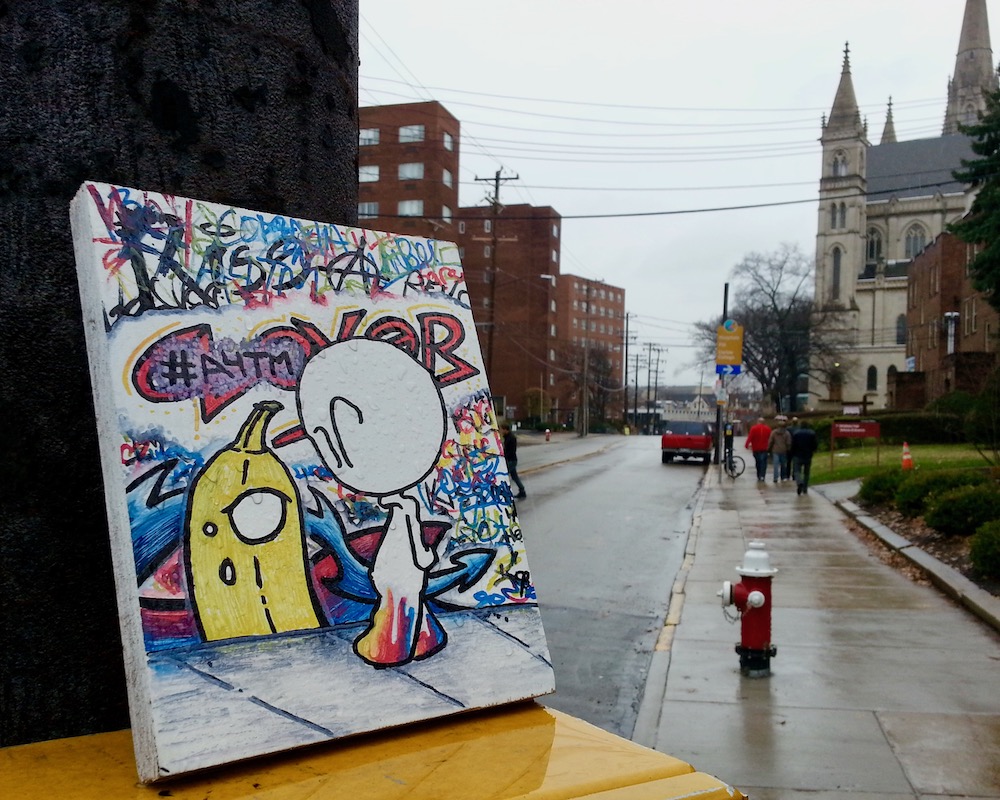
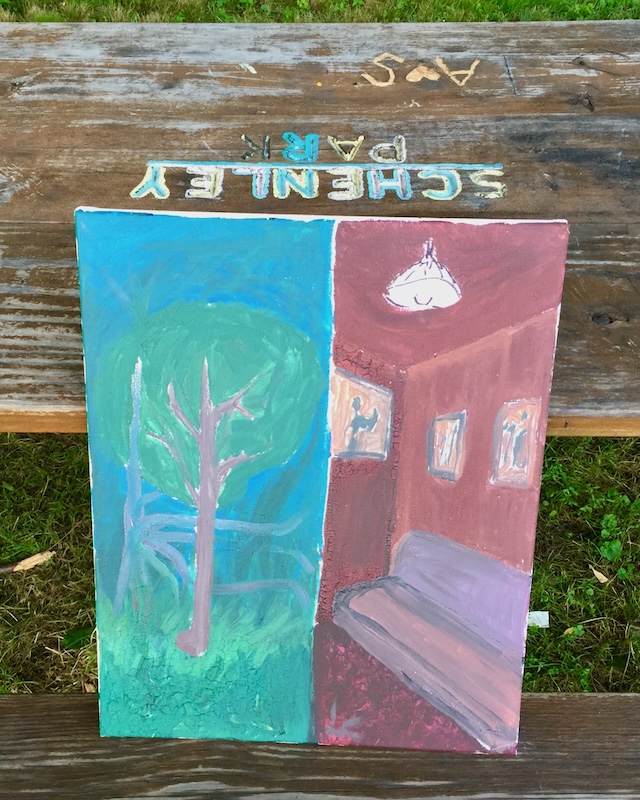
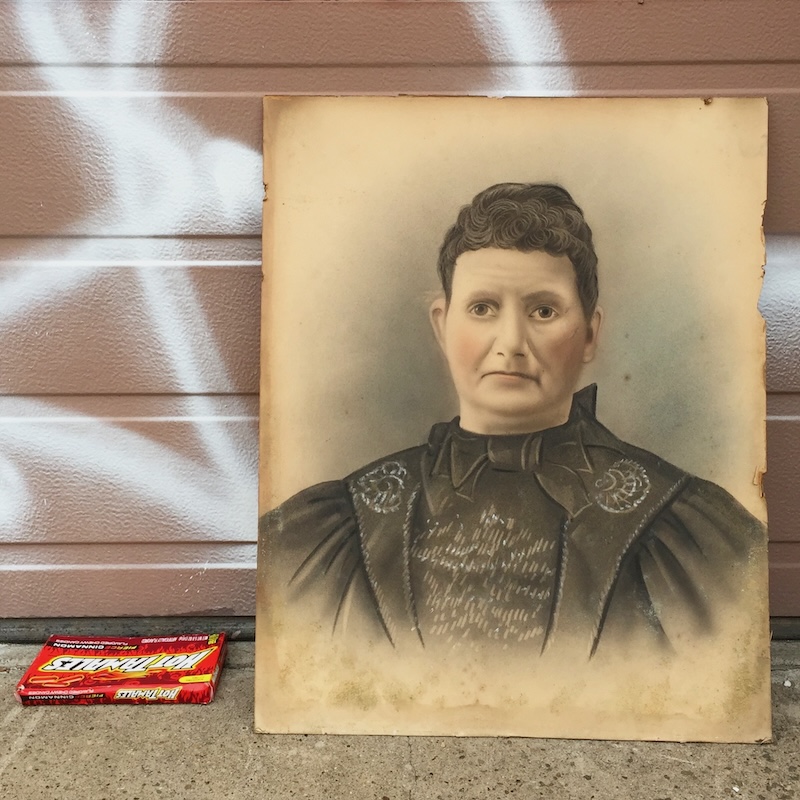
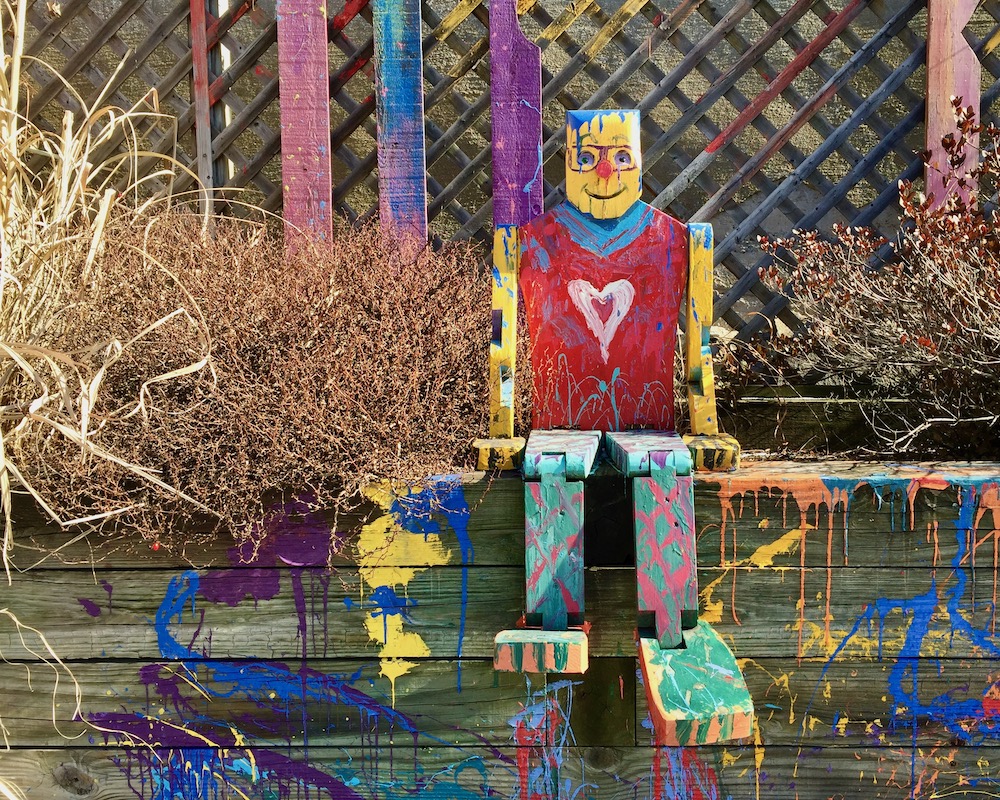
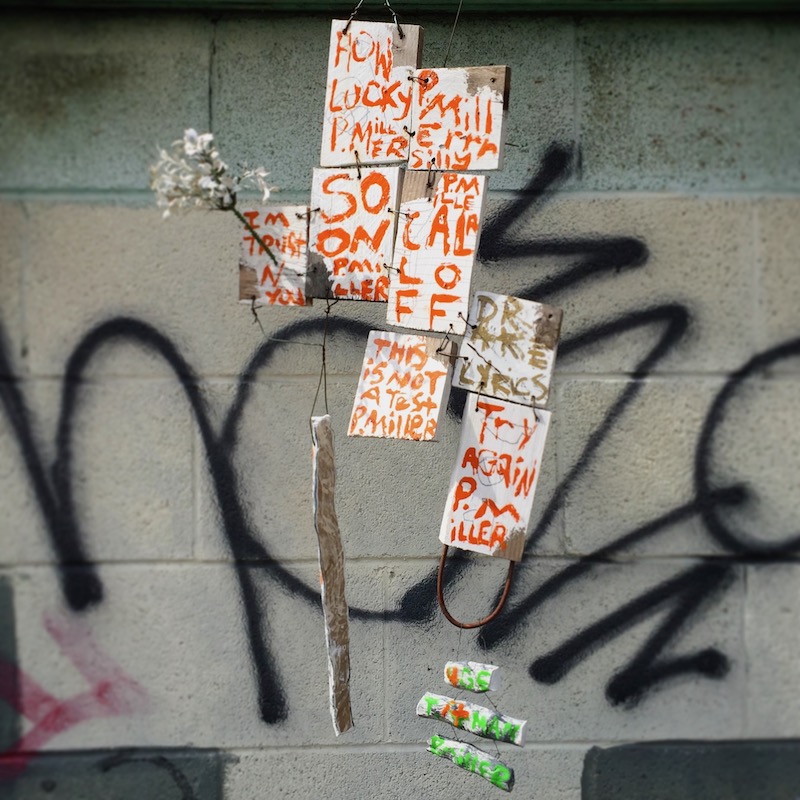
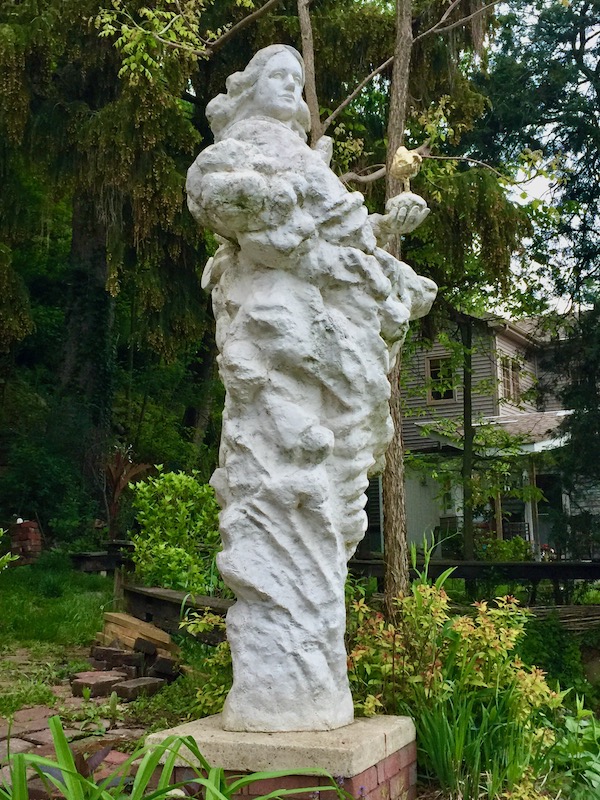
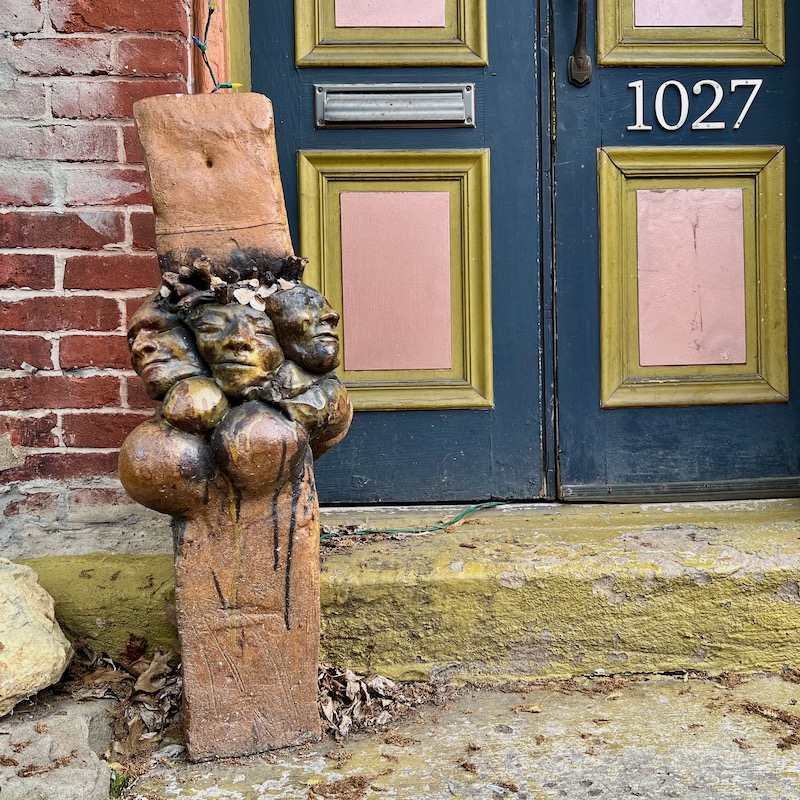
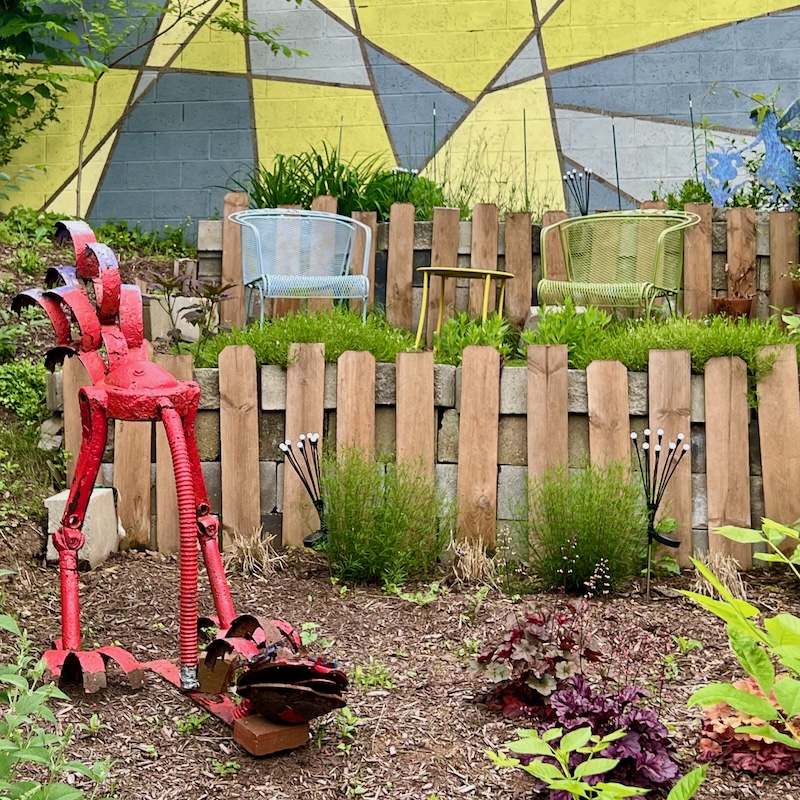
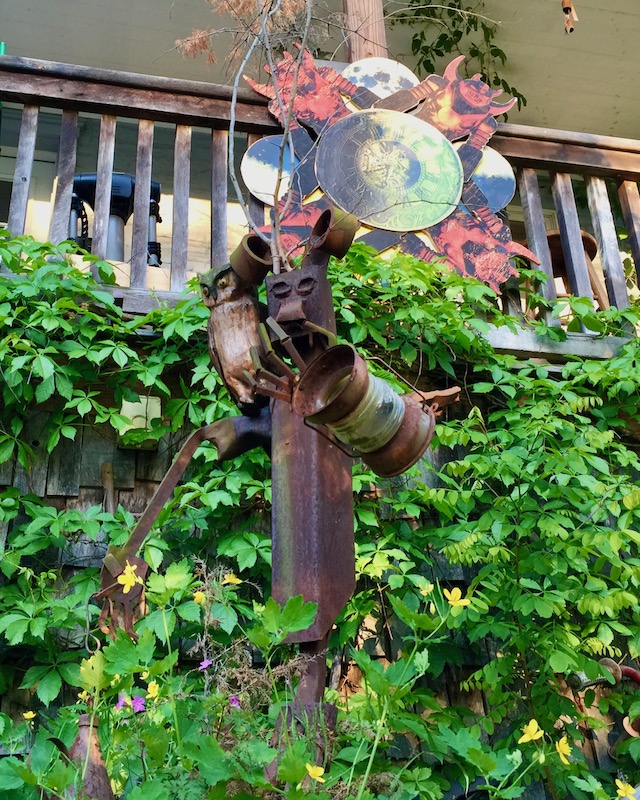
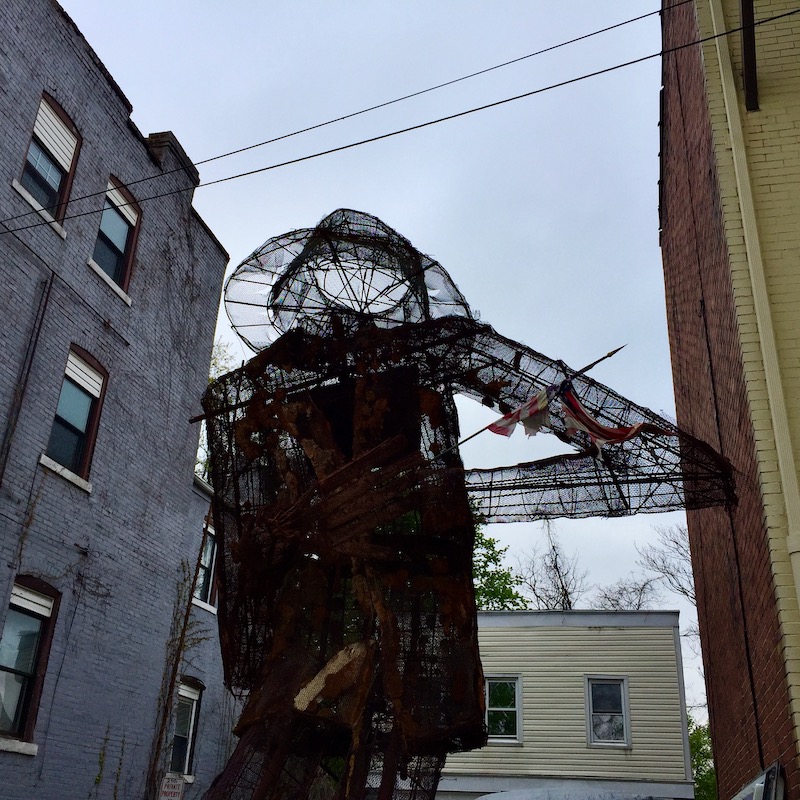
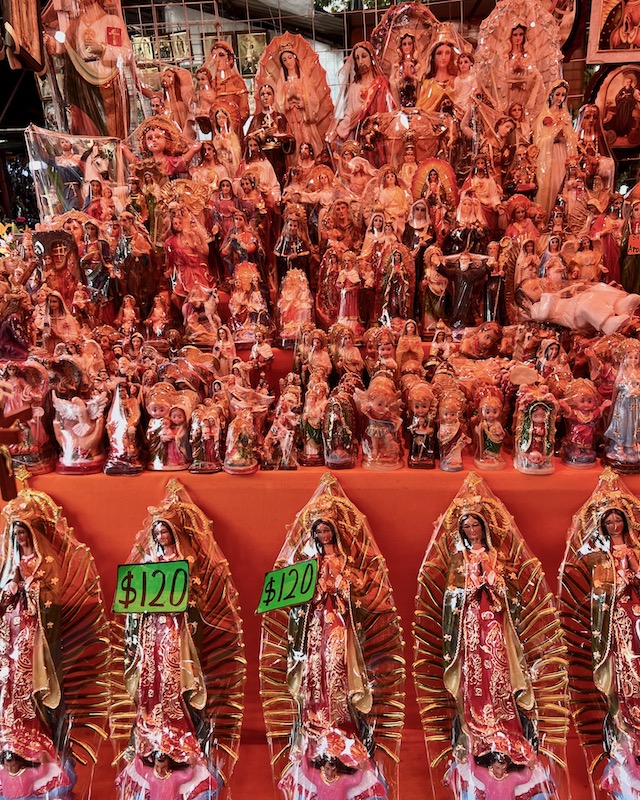
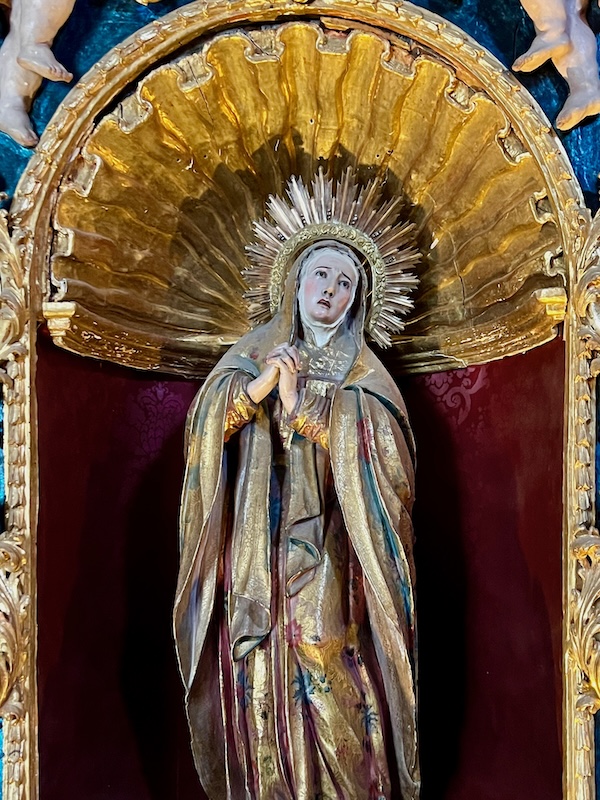
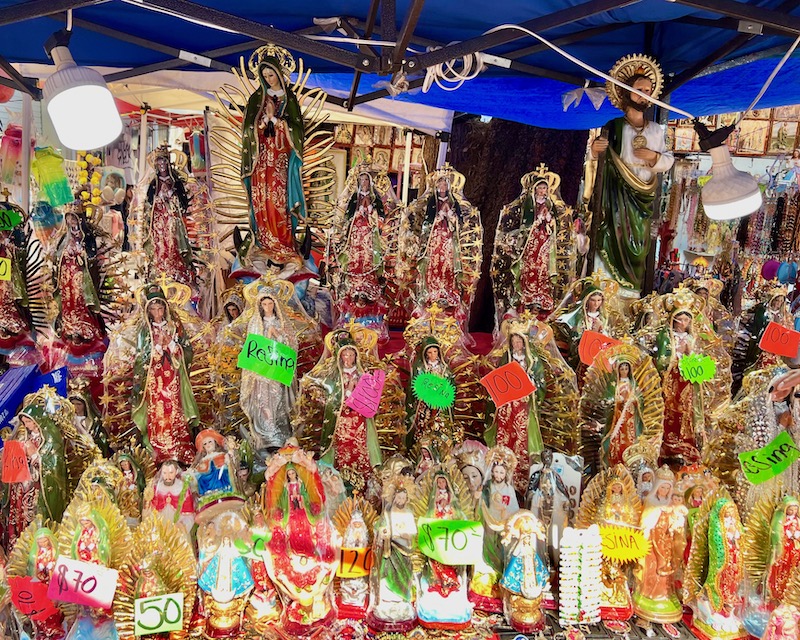
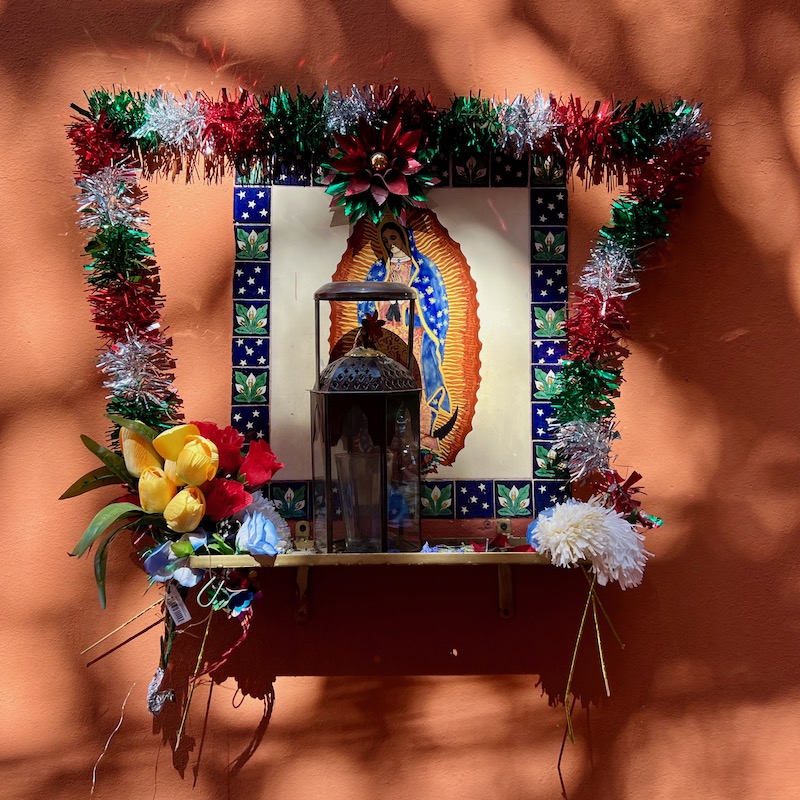
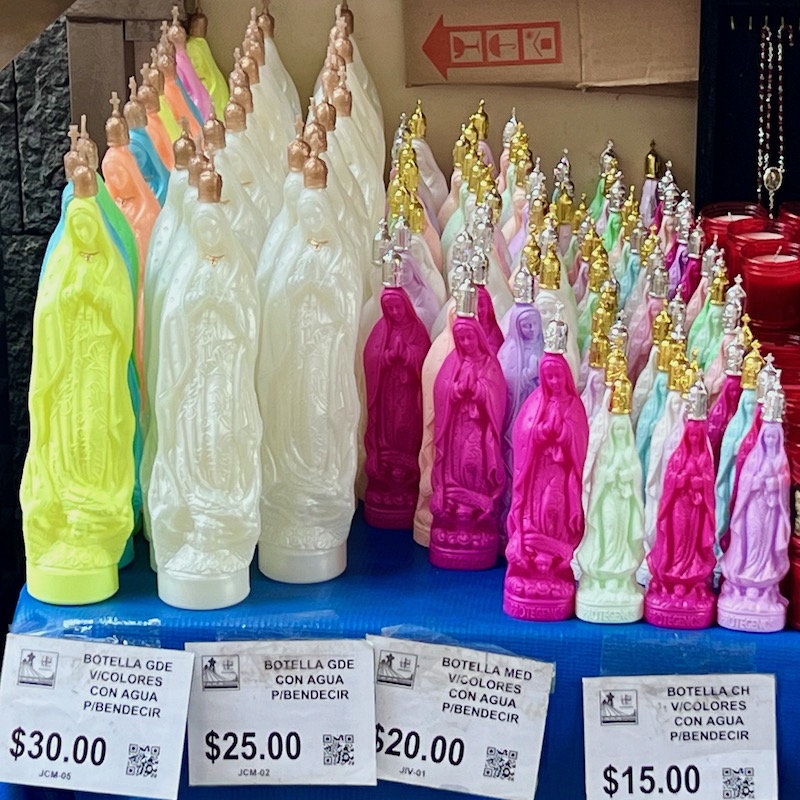
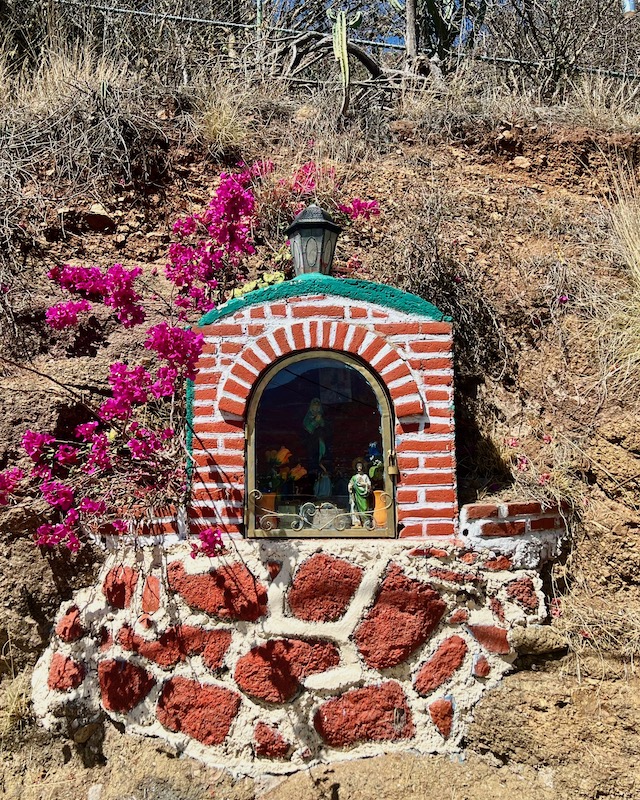
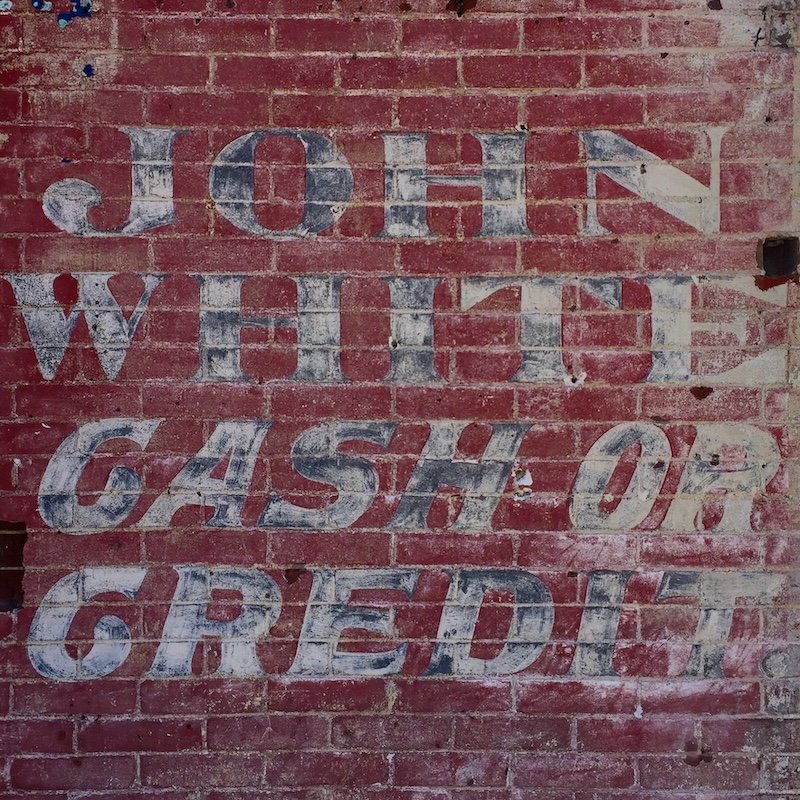
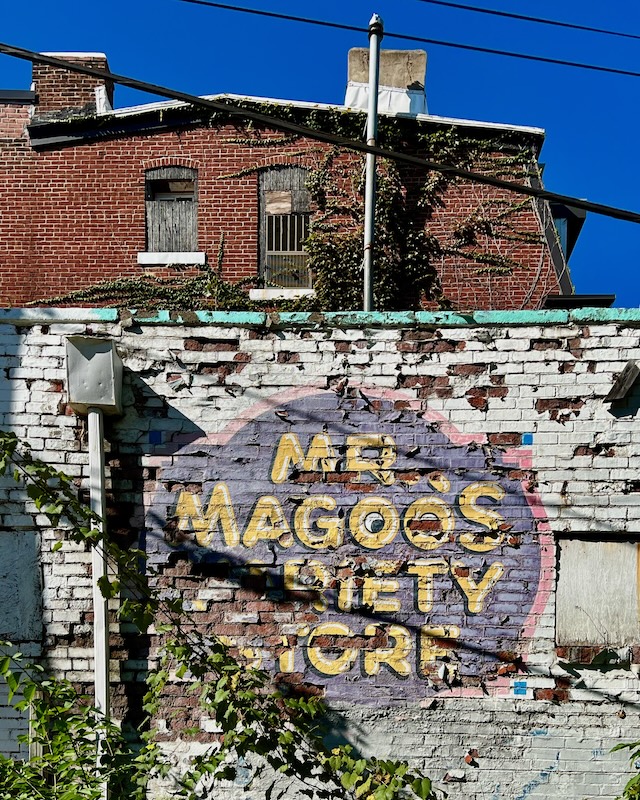
And when you open your eyes and really start looking, things appear like magic where a younger you would’ve walked right by them. Sure, Mary statues are everywhere, but so is mechanic art and karate art and sticker art. A reader hipped us to sidewalk stamps and finding them became an obsession. We found surprises in alleys and roadside thickets, under bridges and painted on street surfaces.

Ten years ago, my friend John was still alive. Among his many kooky interests, he’d done a lot of research to document that a weight set he’d purchased at an estate sale had previously belonged to Andy Warhol. We’d planned to do a story to lay out all the evidence, complete with goofy staged photos of John pumping iron in some ridiculous location. Sadly, we never got to any of that.
Losing John was devastating—especially for his family and the friends who’d known him for decades. It also made the casual feel of much of the work seem very real. These stories, however goofy they can be, are of people and places, the times they lived in and businesses they relied on. They’re precious, delicate things that can disappear before we know it.

And they have. Eating the cloud/sponge pizza from Nuzzaci’s was one of the most extraordinary food experiences this low-budget gourmand has had the pleasure of expanding his waistline over. The basement-of-a-house pizzeria in the Monessen slopes closed in 2022 after 70 years in business.
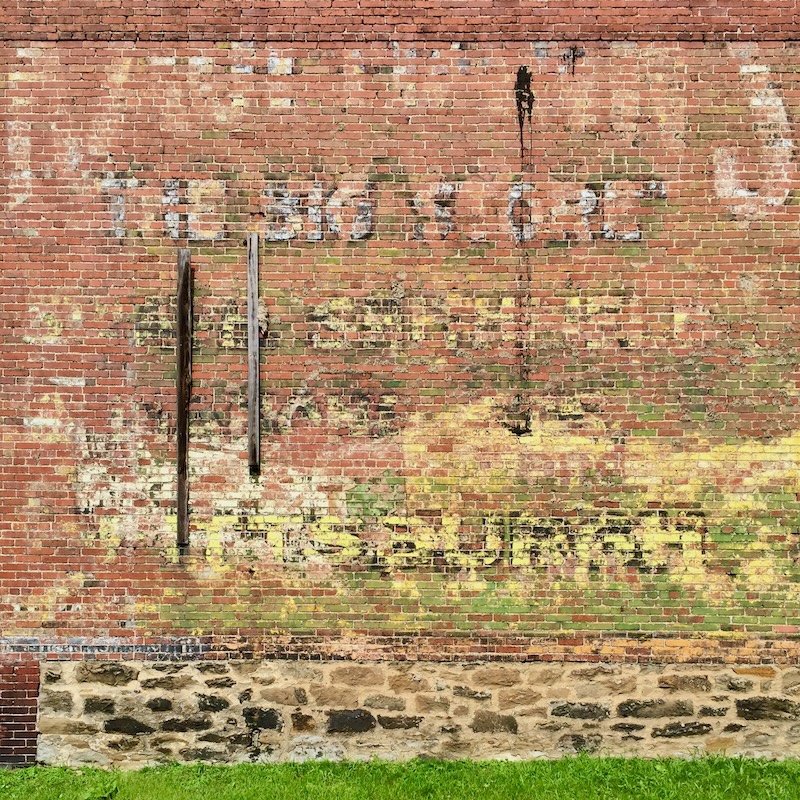
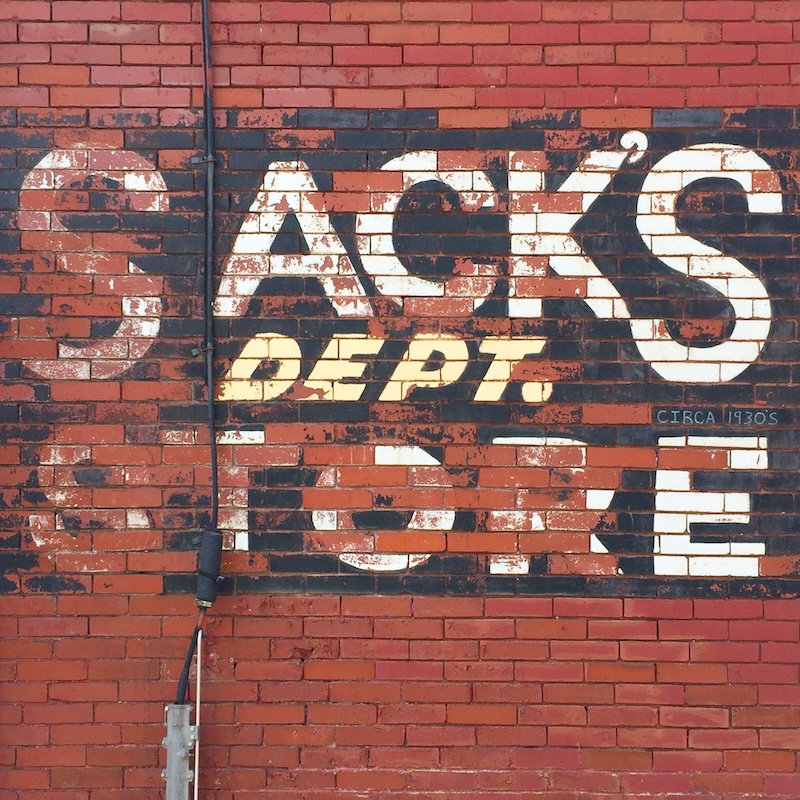
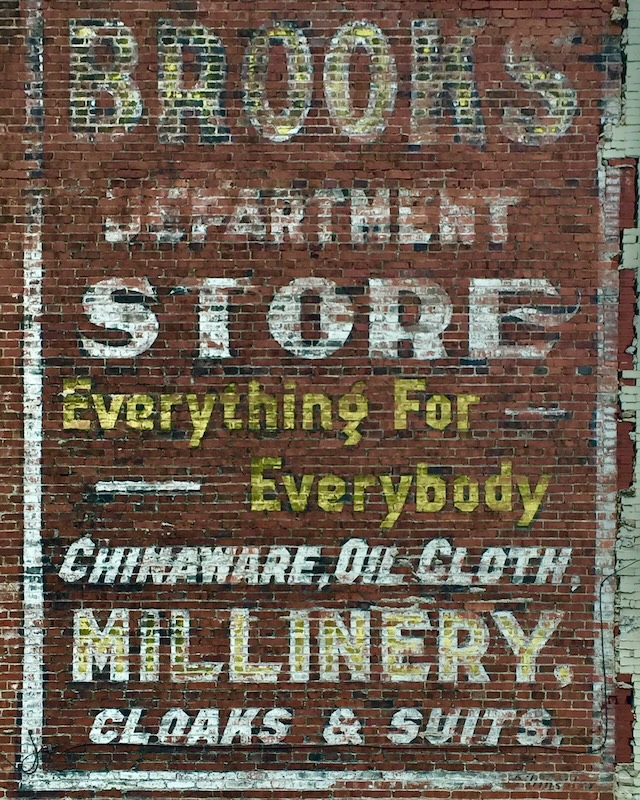
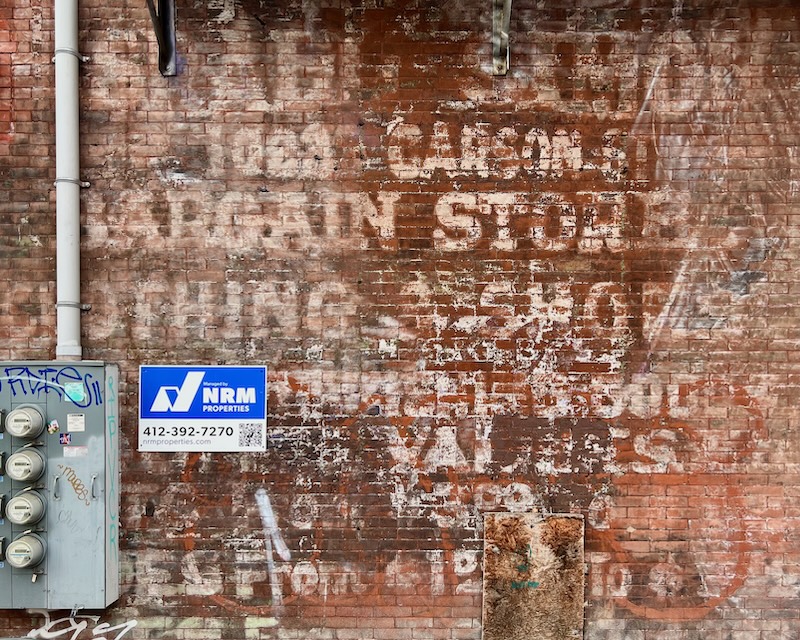
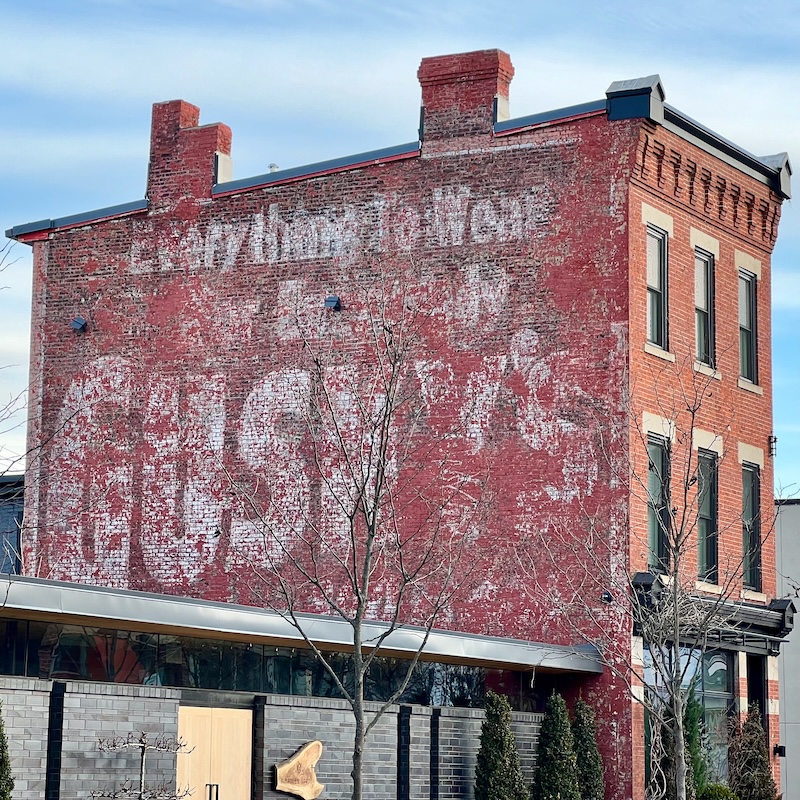
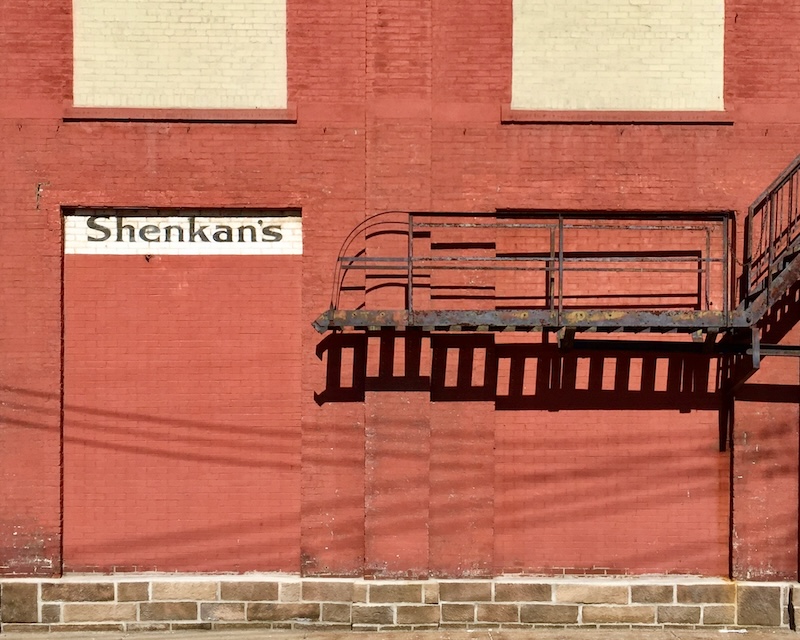
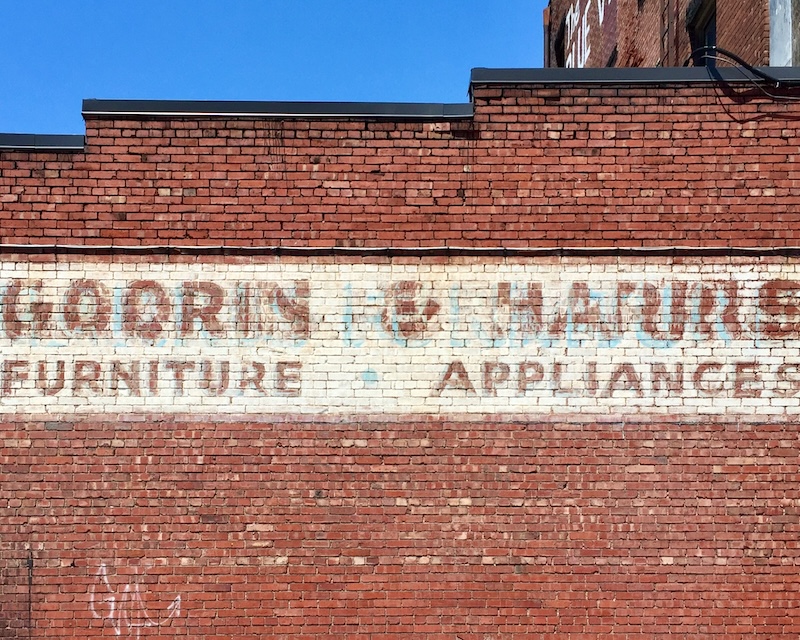
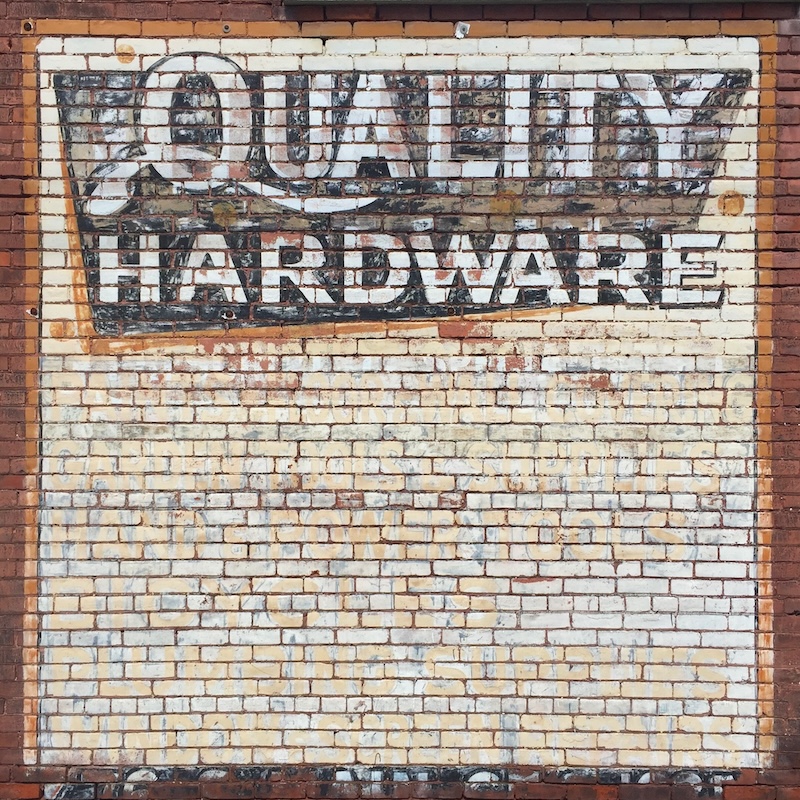
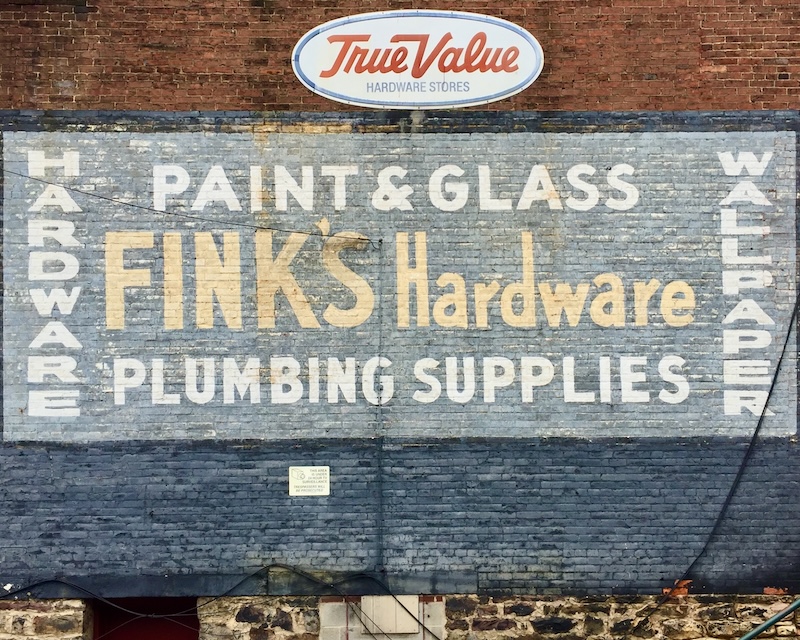
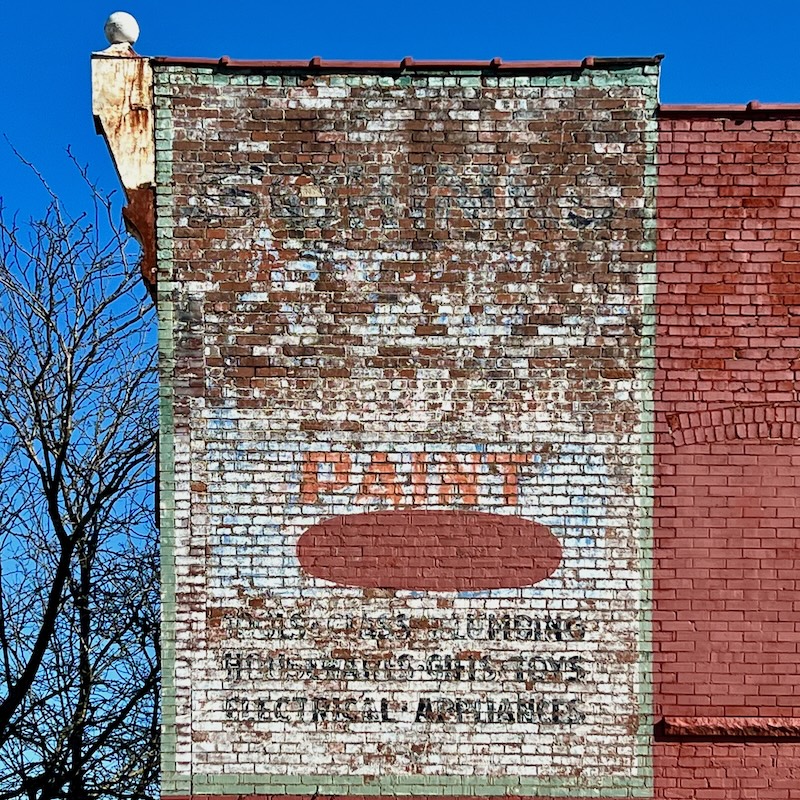
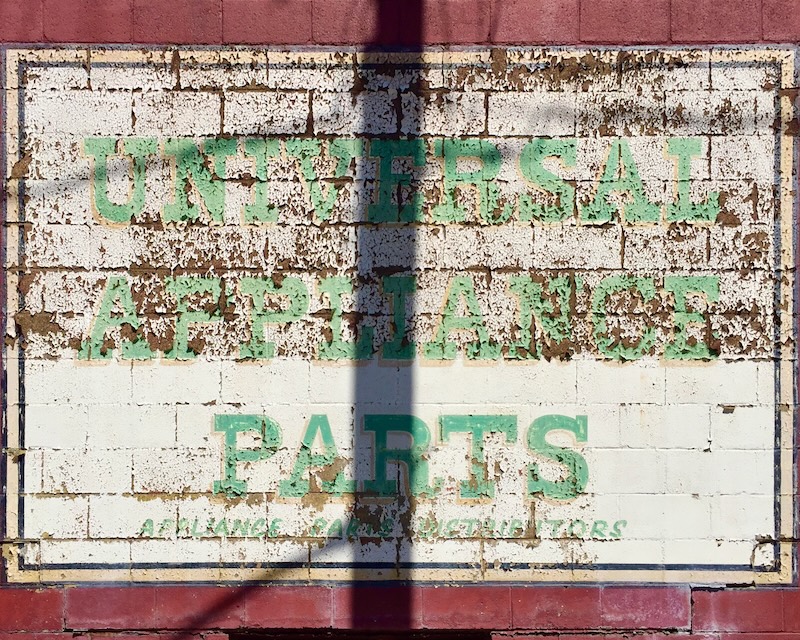
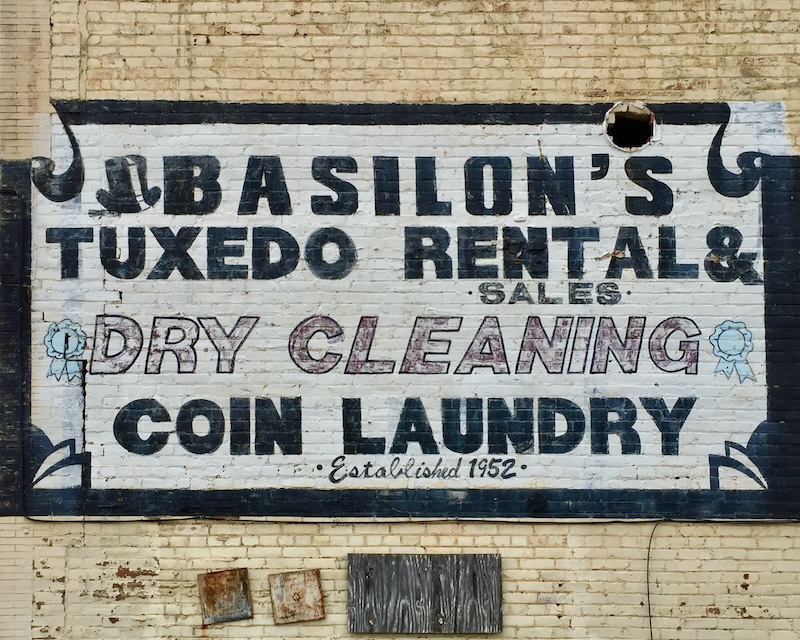
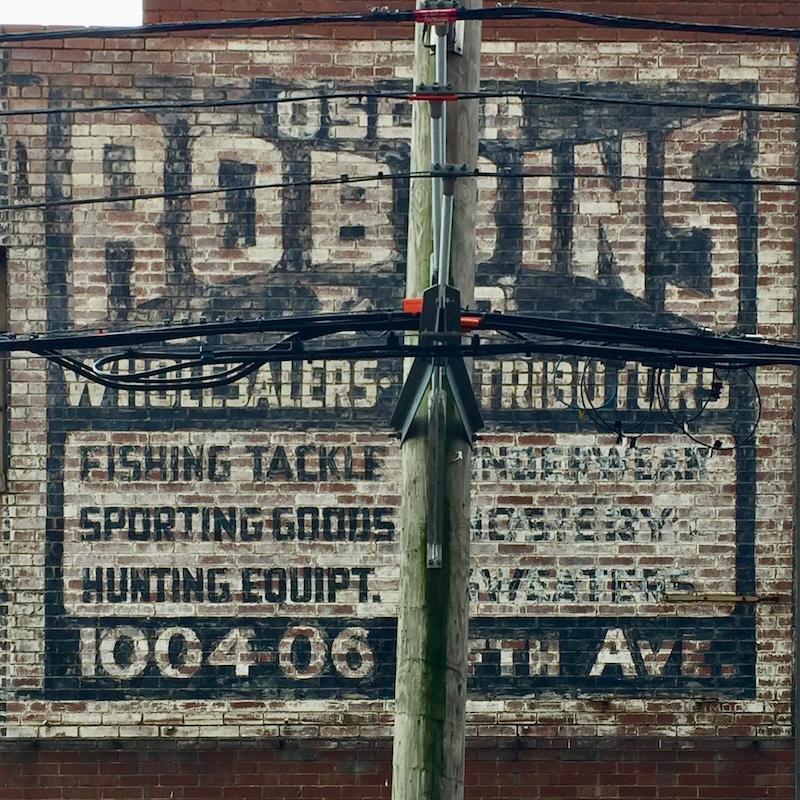
It’s not alone. In its mere ten years of existence—a pinprick in the tapestry of time—the site has covered businesses and people, ghost signs and art projects that are now gone forever. Chiodo’s was razed to become a Walgreen’s before we started publishing—so we can be excused from that one—but D&G Pizza in Beaver Falls closed just last fall and we never even got to try it. Your author will never forgive himself for missing this opportunity.

While there will always be people doing interesting things—at least, we sure hope so—the number of Nuzzacis or Cokers or Central Parks out there is a finite number. We’ll not be so bold as to assume we’ve reported on everything Orbit-worthy, but after ten years of raking the region, we can say well enough that we’ve exhausted all the easy, medium, and even harder-to-get-to stories. Really juicy features like these don’t come along every day.

So where does that leave us? The list—that same list that still has Turchin/Dierra’s glass chair waiting to be reported-on—has a slew of random ideas. We’re sitting on 50 “draft” stories in the hopper. But I’m telling you, they’re either playing to an increasingly obscure set of interests or vastly more difficult to act on. Only Orbit super-fans are going to hang with us through Great Mens Room Signs or Sketchy Law Offices.

I’m no less-inclined to go wandering or take pictures, but also pulled in many other directions—responsibilities, sure, but also other creative pursuits. So we’ll see where that takes us.
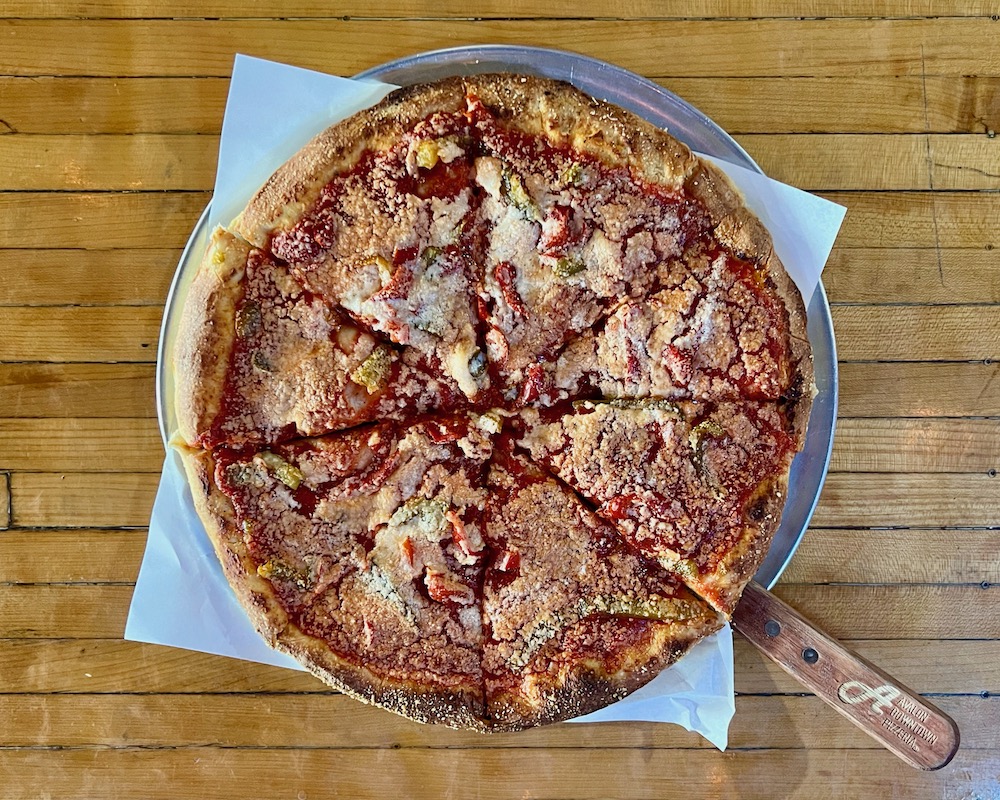
For now, it’s not goodbye, but more so long. (Is there a difference?) We’ll be back, but with no expectation that it’ll be next week or even next month. Until then, to anyone who read and enjoyed, commented or shared, sent an idea or chuckled at one of our dumb music references, thank you for participating. Now get out there and order some weird pizza before they take that away from us too.
- The museum itself has a Pittsburgh connection as it’s situated in the former home of Andrew Carnegie, a mansion on 91st Street, Upper East Side.
- https://www.cooperhewitt.org/2015/07/29/the-miracle-of-glass/






































 Pittsburgh Orbit